氣動(dòng)與電動(dòng)執(zhí)行機(jī)構(gòu)的差異
詳細(xì)介紹
#關(guān)鍵詞:氣動(dòng)執(zhí)行機(jī)構(gòu);電動(dòng)執(zhí)行機(jī)構(gòu);工作原理;維護(hù);成本
The difference between pneumatic and electric actuators
In modern industrial production, actuators play a crucial role in achieving automation control. Pneumatic actuators and electric actuators are the two mainstream types of actuators, each with unique working principles and characteristics.
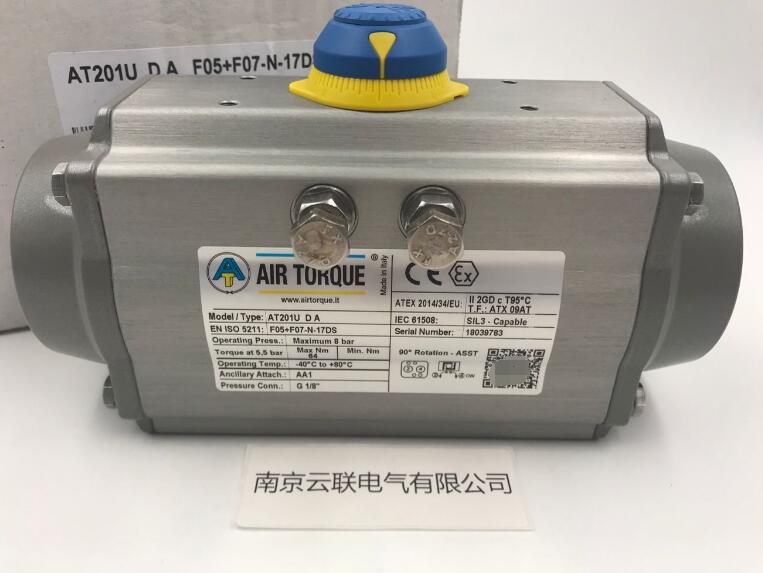
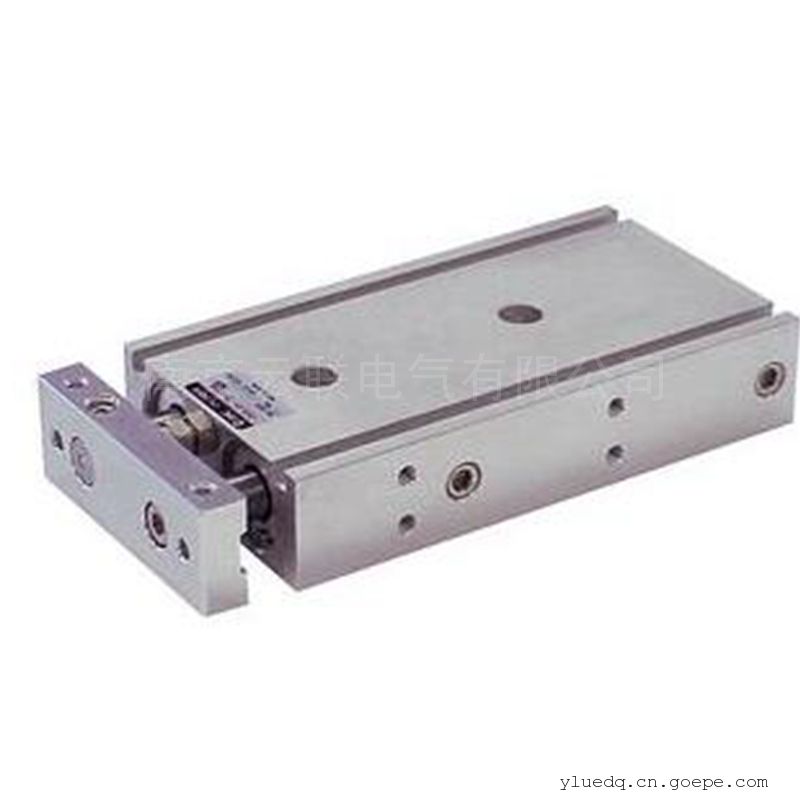
The working principle of pneumatic actuators is based on the pressure effect of gas. When compressed air enters the cylinder of the actuator, it generates pressure on the piston, pushing it to move. The movement of the piston is transmitted to valves or other controlled devices through mechanical structures such as connecting rods, achieving the functions of opening, closing, or adjusting. The power source of pneumatic actuators is compressed air, which gives them some significant advantages. On the one hand, compressed air itself does not have conductivity, and there is no danger of electrical sparks causing explosions. Therefore, in flammable and explosive environments such as oil refineries and natural gas processing plants, pneumatic actuators have high safety. On the other hand, pneumatic actuators have a fast response speed and can complete actions in a short period of time, making them very suitable for situations that require quick control.
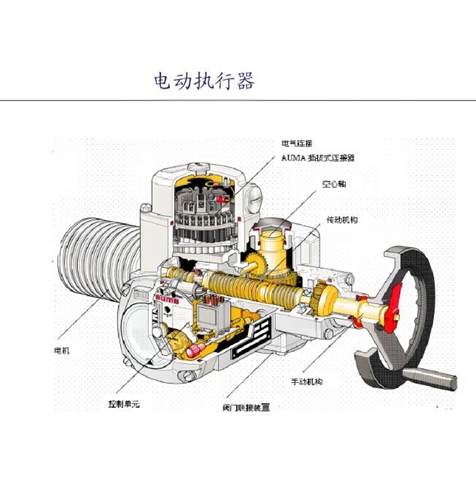
In contrast, the working principle of electric actuators relies on the conversion of electrical energy. The electric motor inside the electric actuator starts running after receiving the control signal. The high-speed rotation of the electric motor is converted into low-speed, high torque output through a reducer, which then drives valves or other equipment. One major characteristic of electric actuators is high control accuracy. Through precise electronic control systems, precise adjustment of valve opening can be achieved to meet the needs of different process requirements. In addition, electric actuators facilitate remote and automated control, and operators can operate and monitor the actuators through computers and other equipment in the control room, greatly improving the convenience and efficiency of production.
In addition to differences in working principles, pneumatic actuators and electric actuators also have differences in other aspects. In terms of maintenance, pneumatic actuators need to regularly check the pressure and cleanliness of the air source to ensure the quality of compressed air. At the same time, the sealing of components such as cylinders and valves should be checked to prevent air leakage. Electric actuators need to pay attention to the operating status of the motor, such as temperature, current, and lubrication of transmission components, to avoid affecting the performance of the actuator due to wear and tear.
From a cost perspective, the initial investment in pneumatic actuators is relatively low, mainly due to the construction and maintenance of gas source equipment. However, electric actuators require higher initial investment due to the need for electrical equipment such as motors and controllers. However, in long-term operation, pneumatic actuators require a certain amount of compressed air consumption, resulting in relatively high operating costs; Electric actuators mainly consume electrical energy and have relatively low operating costs.
In short, pneumatic actuators and electric actuators have their own advantages and disadvantages, and are widely used in industrial production. Understanding their working principles and characteristics can help select suitable actuators based on specific production needs and environmental conditions, thereby improving production efficiency and quality.
#Keywords: Pneumatic actuator; Electric actuator; working principle; maintain; cost